

Eye Floaters Treatment
Have you ever noticed small black spots, cobweb-like lines, or floating shapes drifting across your vision, especially when looking at a bright surface like the sky or a white wall? These are known as eye floaters. For many people, floaters are harmless and simply part of the natural aging process. However, in some cases, they may indicate an underlying eye condition that needs medical attention.
At Omkar Eye Hospital in Chinchwad, we specialize in diagnosing and managing eye floaters with advanced technology and experienced ophthalmologists. Our goal is to help you understand whether your floaters are normal or if they signal a more serious issue, such as retinal tears, diabetic retinopathy, or other retinal problems.
By offering a range of treatments – from monitoring and lifestyle guidance to advanced laser therapy and surgical solutions – we ensure that patients receive safe, effective, and personalized care for clearer vision.
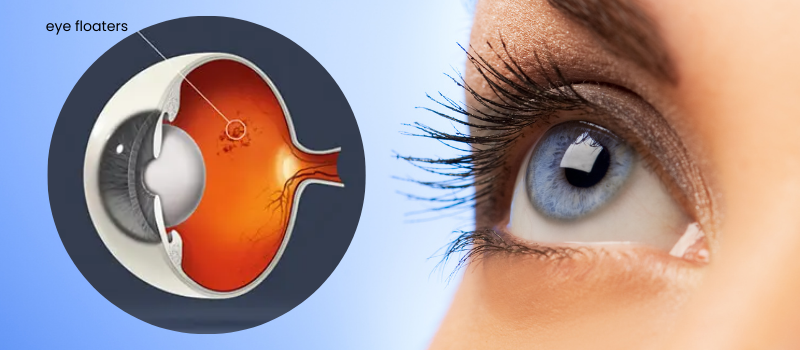
What Are Eye Floaters?
Eye floaters are specks, threads, or shadowy shapes that appear to drift in your field of vision. They are caused by microscopic clumps of gel or protein inside the vitreous, the clear gel-like substance that fills the inside of your eye. As light passes through the eye, these clumps cast shadows on the retina, making them appear as moving spots.
Floaters are more common with age as the vitreous begins to shrink and pull away from the retina. While many floaters are harmless, sudden onset or an increase in floaters can sometimes signal more serious issues, such as:
That’s why consulting an eye specialist for eye floater treatment is important. At Omkar Eye Hospital, we carefully examine the retina and vitreous to determine whether floaters require treatment or simple monitoring.
Symptoms That Require Medical Attention
While occasional floaters are common, you should seek immediate consultation if you experience:
These may indicate retinal tears or detachment, which are eye emergencies that require urgent treatment to prevent permanent vision loss.
Our experts at Omkar Eye Hospital are trained to detect these warning signs and provide prompt, effective care.
Diagnosis of Eye Floaters
When you visit Omkar Eye Hospital for eye floaters treatment in Chinchwad, our doctors begin with a thorough eye examination. Diagnostic steps may include:
These tests help us determine whether your floaters are harmless or related to a more serious eye disease that requires treatment.
Treatment Options for Eye Floaters
1. Observation & Monitoring
For most patients, floaters are mild and do not interfere with vision significantly. In such cases, no active treatment is required. The brain often adapts and learns to ignore them over time. Our doctors provide lifestyle tips and regular monitoring to ensure floaters don’t indicate developing retinal problems.
2. Laser Therapy (Laser Vitreolysis)
For patients whose floaters interfere with daily activities, laser vitreolysis is an effective treatment. A specialized laser is used to break up large floaters into smaller, less noticeable fragments.
Benefits of Laser Therapy:
At Omkar Eye Hospital, this procedure is performed by experienced specialists using advanced laser technology for precision and safety.
3. Vitrectomy Surgery
In severe cases where floaters are dense and vision is significantly affected, a surgical procedure called vitrectomy may be recommended. This involves removing the vitreous gel (which contains the floaters) and replacing it with a clear solution.
Advantages:
Risks:
At Omkar Eye Hospital, vitrectomy is performed with utmost care and only when absolutely necessary, ensuring the best balance of safety and effectiveness.
Why Choose Omkar Eye Hospital for Eye Floaters Treatment in Chinchwad?
Whether your floaters are harmless or require treatment, our goal is to protect your vision and give you clarity for years to come.
Recovery & Aftercare
Most patients recover quickly after floaters treatment. With laser therapy, normal activities can be resumed within a day. After vitrectomy, recovery takes longer, and patients may need to follow precautions such as avoiding heavy lifting, protecting the eyes, and using prescribed drops.
At Omkar Eye Hospital, our team provides detailed aftercare instructions and regular follow-ups to ensure smooth healing and lasting results.
Eye floaters may seem like a minor inconvenience, but sometimes they can point to serious eye conditions. At Omkar Eye Hospital, we offer comprehensive eye floaters treatment in Chinchwad, from simple observation to advanced laser therapy and vitrectomy surgery.
Our experienced specialists, advanced technology, and patient-focused approach ensure that every patient receives safe and effective care.
Frequently Asked Questions
1. Are eye floaters dangerous?
Most floaters are harmless and part of the natural aging process. However, a sudden increase in floaters or floaters accompanied by flashes of light may signal retinal detachment, which requires urgent treatment.
2. Can eye floaters go away on their own?
In many cases, floaters become less noticeable over time as the brain adapts. They may not disappear completely but often fade from central vision, making them less bothersome.
3. What is the best treatment for severe eye floaters?
For mild cases, observation is usually sufficient. For persistent or severe floaters, laser vitreolysis or vitrectomy surgery may be recommended, depending on the patient’s condition and lifestyle needs.
4. Who is more likely to get eye floaters?
Floaters are more common in people over 50, those with high myopia (nearsightedness), patients who have had eye surgery, or individuals with conditions like diabetes or uveitis.
5. How can I prevent eye floaters?
Floaters cannot always be prevented, as they are often age-related. However, maintaining good eye health, managing diabetes, protecting eyes from injury, and getting regular eye check-ups can help reduce the risk of complications.
If you are experiencing bothersome floaters or sudden changes in your vision, don’t ignore them. Schedule a consultation with Omkar Eye Hospital today and take the first step toward protecting your eyesight and enjoying clearer vision.