

Lazy Eye Treatment
Good vision plays a vital role in a child’s learning, development, and confidence. Sometimes, however, one eye does not develop normal vision during childhood, even if it looks healthy. This condition is called lazy eye or amblyopia. If left untreated, a lazy eye can lead to lifelong vision problems and affect a child’s ability to perform well in studies, sports, and everyday life.
At Omkar Eye Hospital in Chinchwad, we understand how sensitive childhood eye care is. Dr. Nilesh Kakde, an eye specialist, focuses on early diagnosis and effective management of lazy eye treatment for babies & children in Chinchwad. Using advanced diagnostic tools and a personalized treatment approach, we help children strengthen their weaker eyes and prevent long-term vision loss.
Our goal is not only to restore eyesight but also to give children the confidence of a healthy vision for their future.
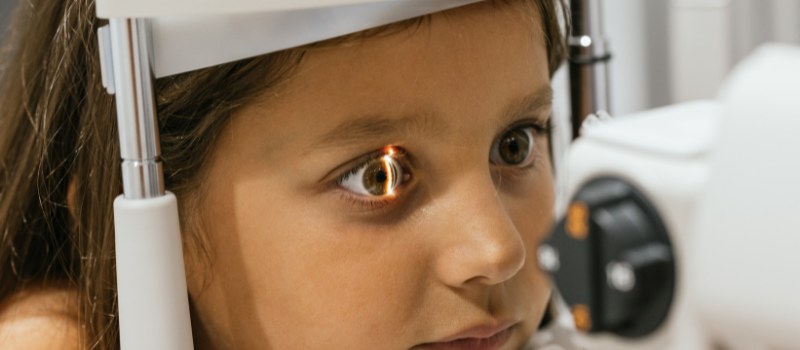
What is Lazy Eye (Amblyopia)?
Lazy eye, medically called amblyopia, occurs when one eye has reduced vision because the brain and the eye are not working together properly. The brain starts to favor the stronger eye, while the weaker eye becomes suppressed.
The condition usually develops in early childhood, often before the age of 7. Common causes include:
Lazy eyes are treatable, but early detection is crucial. The earlier the treatment begins, the better the chances of full visual recovery.
Symptoms of Lazy Eye in Children
Parents may not always notice lazy eyes immediately, as children often do not complain. Some signs to watch out for include:
At Omkar Eye Hospital, our pediatric specialists perform detailed vision screenings to detect amblyopia early. If identified, treatment can begin immediately to strengthen the weaker eye and restore balance between both eyes.
Lazy Eye Treatment in Chinchwad at Omkar Eye Hospital
1. Corrective Glasses or Contact Lenses
If amblyopia is caused by refractive errors (difference in power between eyes), prescribing glasses or contact lenses can help balance vision. Correcting the underlying vision problem often stimulates the weaker eye to work harder.
2. Eye Patching Therapy
Patching is one of the most common treatments for lazy eye. The stronger eye is covered with a patch for several hours a day, forcing the brain to use the weaker eye. Over time, this strengthens the vision in the weaker eye.
At Omkar Eye Hospital, doctors guide parents on how many hours a child should wear the patch and monitor progress with regular check-ups.
3. Atropine Eye Drops
In some cases, eye drops are used instead of a patch. Atropine drops blur vision in the stronger eye, encouraging the weaker eye to work harder. This is especially useful for children who resist patching.
4. Vision Therapy Exercises
Exercises like computer-based visual activities help train the weaker eye and improve coordination between both eyes. Vision therapy can include puzzles, digital games, and interactive training designed to stimulate the brain-eye connection.
5. Surgery for Underlying Conditions
If cataracts cause lazy eye, strabismus (crossed eyes), or drooping eyelids, surgery may be recommended. Correcting these issues allows the weaker eye to receive clear images, which can then be strengthened with other therapies.
At Omkar Eye Hospital, surgeries are performed by experienced pediatric ophthalmologists, ensuring safety and long-term benefits for the child.
Why Early Treatment Matters
Lazy eye is most effectively treated during childhood because the visual system is still developing. After the age of 7–8 years, treatment becomes less effective, and after adolescence, improvement is often limited.
This is why regular eye check-ups are so important.
At Omkar Eye Hospital, we recommend vision screening for children as early as 3 years old, or even earlier if parents notice signs of eye misalignment. Early treatment means a better chance of full recovery and clear vision in both eyes.
Why Choose Us for Lazy Eye Treatment for Babies and Children in Chinchwad?
Choosing the right hospital for your child’s vision care makes all the difference. Our mission is to restore not just eyesight, but also your child’s confidence and independence.
Recovery and Aftercare
Treatment for lazy eye requires time, patience, and consistency. Children may need patching or therapy for several months to years, depending on the severity of the condition. Parents play an important role in ensuring compliance with patching or drops.
At Omkar Eye Hospital, our team provides regular follow-ups and guidance to track improvement. With consistent care, most children achieve significant improvement in their weaker eyes.
Lazy eyes are a treatable condition, but timing is everything. Early detection and treatment during childhood can restore vision and prevent lifelong impairment. At Omkar Eye Hospital, we offer specialized lazy eye treatment for babies and children in Chinchwad tailored to each child’s needs – from corrective glasses and patching therapy to advanced surgical options.
With compassionate care, advanced technology, and a team dedicated to children’s vision health, we ensure that every child receives the best chance at clear, balanced vision.
Frequently Asked Questions
1. Can lazy eye be completely cured?
Yes, if detected early. Children under the age of 7 respond best to treatment, and many achieve normal vision with proper therapy. Older children and adults may still benefit, but results are often slower and less complete.
2. How long does lazy eye treatment take?
Treatment duration varies. Some children improve within a few months, while others may need therapy for 1–2 years. Regular follow-ups and consistent treatment greatly improve success rates.
3. Is patching the only treatment for lazy eye?
No. While patching is common, other treatments like corrective glasses, atropine drops, vision therapy, and even surgery may be used depending on the cause of amblyopia.
4. Can adults get lazy eye treatment?
Treatment is most effective in children, but adults can sometimes benefit from vision therapy or corrective surgery. However, results may be limited compared to early childhood treatment.
5. How do I know if my child has a lazy eye?
Parents should watch for signs like squinting, eye turning, or difficulty focusing. A pediatric eye exam is the only way to confirm amblyopia. Early screening is recommended to avoid delayed diagnosis.
If you notice any signs of a lazy eye in your child, don’t wait. Schedule a consultation at Omkar Eye Hospital today – because your child’s future deserves the gift of healthy vision.