
You know, there are some decisions in life that feel big. Like getting a tattoo of your ex’s name. Or trusting your cousin with your bike. And somewhere up there is deciding to get LASIK surgery done.
LASIK sounds tempting, right? No more glasses slipping off your nose, no more foggy lenses in the rain, and no more looking like a part-time librarian. But before you rush into it with both eyes wide open (literally), let’s talk about the other side. The risks. The stuff your overly enthusiastic friend who got LASIK last month conveniently forgot to mention.
Because while LASIK is great for most people, it’s not magic. It’s science. And science sometimes has side effects.
So, What’s LASIK Anyway?
Let’s keep it simple.
LASIK is a quick laser surgery that reshapes your cornea (the front part of your eye) so that light focuses properly on your retina. Result? Clear vision.
No blades flying around, no painful needles poking the eye. Just lasers. You walk into the clinic wearing specs and walk out, spotting the cobwebs in the corner that Maa’s been yelling about.
But is it all perfect? Nope. Like your friend who looks great in selfies but has commitment issues in real life, LASIK, too, has its flaws.
Why Are We Even Talking About Risks?
Simple. Because it’s your eyes.
You use them for everything. Watching cricket. Checking WhatsApp forwards. Spying on your neighbor’s new car. You can’t mess this up.
So if you’re someone:
- Considering LASIK and doing research (smart move)
- Heard only rosy stories, but are suspicious (good instincts)
- Have dry eyes, diabetes, or thin corneas, and are worried (valid concern)
- Or maybe you’re that overprotective sibling, partner, or best friend Googling for someone else (we see you)
This blog is for you.
Common LASIK Risks You Should Know
- Dry Eyes (A Lot Drier Than Sahara):
After LASIK, some people feel like their eyes are crying… but from the inside. It feels scratchy, sandy, and annoying.
Why does it happen? The surgery can reduce tear production temporarily (sometimes permanently).
How long does it last? Usually, a few weeks to months. For a few unlucky folks, it can last longer. - Glare, Halos, and Starbursts – Not the Fun Kind:
Ever seen those shiny rings around streetlights at night? Now imagine seeing that… even when there’s no fog.
Common in: Night drivers, people with bigger pupils.
Is it permanent? Mostly fades over months. Rarely, it sticks. - Double Vision or Ghost Images:
Nope, it’s not a horror movie effect. Sometimes, post-surgery, people notice a slight double image, especially in low light.
Mild to severe: Varies from person to person. - Vision Might Come Back… With Interest:
LASIK corrects your vision, but it doesn’t stop nature.
That means: Your eyes might slowly go back to being blurry. Especially true if you had a very high prescription before surgery. - Undercorrection or Overcorrection:
Undercorrection: You still need weak specs.
Overcorrection: Your eyes swing the other way (like from nearsighted to farsighted).
Both are fixable. Usually with a second LASIK touch-up. - Flap Complications:
During LASIK, a tiny flap is created on the cornea.
Rarely, this flap might not heal perfectly. Can lead to infections, inflammation, or weird healing patterns. - Eye Infections – Not Common, But Scary:
It’s surgery. Any surgery carries an infection risk.
Redness, pain, swelling, blurred vision – if you feel any of these, run (not literally) to your doctor. - Chronic Pain (Extremely Rare):
This is very, very rare but deserves a mention.
Some patients report chronic eye pain post-LASIK. It’s not about vision but about nerve sensitivity.
Some People Should Think Twice Before LASIK
Not everyone is a perfect candidate. Some eyes are just… not meant for this.
- Thin corneas: Less tissue to work with.
- Severe dry eyes: LASIK can make it worse.
- Unstable eye power: If your number is still changing, wait.
- Autoimmune diseases: Healing can be slower or problematic.
- Diabetes: Healing can be tricky if sugar is not well controlled.
If any of this sounds like you, your doctor might suggest alternatives. Or tell you bluntly, “Boss, LASIK is not for you.”
If you still have doubts about whether LASIK surgery is right for you, schedule a consultation with our expert at Omkar Eye Hospital, renowned for its LASIK eye surgery in Chinchwad.
But… How Common Are These Risks Really?
- Dry eyes: Very common temporarily. Permanent? Less than 1%.
- Glare, halos: About 20% initially, but most fade.
- Vision regression: About 6–10% depending on age and prescription.
- Severe complications: Less than 1%.
In short, most people do just fine. But a small percentage? They wish they had read blogs like this before.
Can LASIK Go Wrong Forever?
Rare. Very rare. But yes, possible.
- Some people never fully recover their sharp night vision.
- A few battle chronic dry eyes for years.
- And an even smaller group might feel their vision isn’t as perfect as promised.
Which is why finding the right clinic, with the right doctor, is half the battle won.
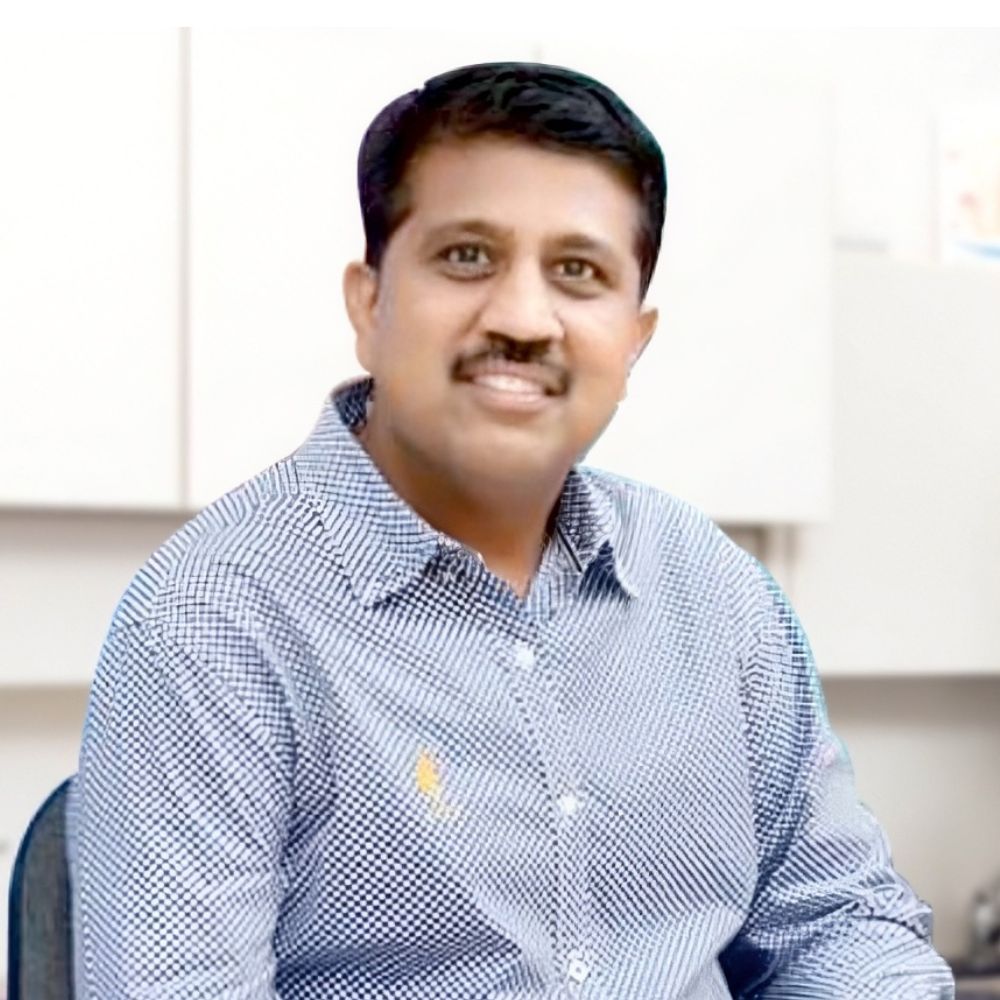
If you’re exploring LASIK eye surgery in Chinchwad, choose someone with experience, a great track record, and zero rush in explaining things to you. And that’s where our expert, Dr. Nilesh Kakade, comes in.
How To Reduce Your LASIK Risks?
You’re not helpless. A lot depends on YOU.
- Get a detailed eye checkup. Don’t skip tests.
- Tell your doctor everything. Even if it feels silly. (Like, “Doctor, my eyes feel weird when I wake up.”)
- Follow post-op instructions like your life depends on it. Don’t rub eyes, don’t splash unclean water, and use eye drops religiously.
- Pick a good surgeon. Not the cheapest one. This isn’t street shopping.
Alternatives To LASIK (In Case You Chicken Out)
Hey, it’s fine. Not everyone’s meant for LASIK.
- PRK (Photorefractive Keratectomy): No flap. Safer for thin corneas.
- SMILE (Small Incision Lenticule Extraction): New-age surgery. Smaller cut, faster healing.
- ICL (Implantable Collamer Lens): Permanent lens implant. Good for very high numbers.
Your doctor will help you pick what fits your eyes best.
Reality Check: Is LASIK Safe?
For most people? Yes.
Quick recovery.
Minimal downtime.
Most walk out with 20/20 vision.
But safe doesn’t mean zero risk. It’s like buying a phone. For 99 people, it works like butter. For that unlucky 1, the screen cracks the next day.
Your job? Make sure you’re not that 1%.
Still Thinking About LASIK? Read This Before You Decide
Look, this isn’t a decision you take like ordering paneer tikka. This is your vision we’re talking about. The good news? Technology has made LASIK safer than ever before. But it’s still surgery.
Get a thorough eye evaluation, and ask every single question that pops into your head, even if it sounds dumb. Because no question about your eyes is dumb.
So if you’re considering LASIK eye surgery in Chinchwad, make sure you consult a trusted eye specialist, like Dr. Nilesh Kakade at Omkar Eye Hospital.
Your Eyes. Your Call.
At the end of the day, only you can decide if LASIK is worth it. For many, it’s life-changing in a good way. For a few, it’s a little bumpy. But knowing the risks, understanding your eyes, and choosing the right doctor puts you in control.
So, whether you go for it or not, do it with open eyes.
If you’re seriously considering LASIK and want expert guidance, book your consultation today with our expert, Dr. Nilesh Kakade, for a LASIK eye surgery in Chinchwad at Omkar Eye Hospital. Our experienced surgeons prioritize your safety, not just the surgery.
Your eyes deserve that much care.