

Have you ever noticed someone whose eyes don’t look aligned in the same direction? In medical terms, this is called squint eye or strabismus. It can affect children as well as adults, and while many people think it’s only a cosmetic issue, squint can actually affect vision, depth perception, and confidence.
In this blog, we’ll break down the difference between non-surgical and surgical treatments for squint eyes so you know what options are available. We’ll also look at how Omkar Eye Hospital in Pimpri Chinchwad, led by Dr. Nilesh Kakade, helps patients choose the right approach. If you’ve been searching for an experienced eye doctor in chinchwad, you’ll be glad to know that Dr. Kakade and his team are trusted for both children’s and adult squint treatments.
Table of Content
Understanding Squint in Simple Words
A squint happens when both eyes don’t move together in perfect coordination. While one eye looks straight, the other may turn inward, outward, upward, or downward.
Common Causes in India
- Weak or unbalanced eye muscles.
- Vision problems like long-sightedness or short-sightedness.
- Childhood eye conditions left untreated.
- In some cases, family history.
In cities like Pune, where children spend a lot of time on screens or studying, eye issues can appear earlier. Parents may notice their child struggling to focus on the blackboard, tilting their head while watching TV, or one eye drifting occasionally. These small signs shouldn’t be ignored.
Non-Surgical Treatments for Squint
Not every case of squint requires surgery. In fact, many patients benefit from non-surgical options, especially when the condition is mild or detected early.
1. Glasses and Contact Lenses
For children or adults whose squint is linked to a refractive error (like power in the eyes), glasses can help align the eyes better.
2. Eye Exercises
Specially prescribed exercises strengthen eye muscles and improve coordination. This is especially useful for kids, and parents often find it encouraging to watch gradual improvement.
3. Prism Lenses
These are specially designed lenses that help reduce double vision and improve comfort.
4. Vision Therapy
This involves guided activities to train the eyes and brain to work together more effectively. Think of it like “physiotherapy for your eyes.”
The biggest advantage of non-surgical treatment? It’s non-invasive, safe, and often very effective for younger children if started early.
Surgical Treatments for Squint
When the squint is more severe, long-standing, or not responding well to non-surgical options, surgery becomes the recommended path.
What Squint Surgery Involves
- It focuses on adjusting the muscles around the eye to bring them into proper alignment.
- The procedure is usually safe and can be done in children as well as adults.
- Many patients notice a big improvement in both appearance and vision after surgery.
Benefits of Squint Surgery
- Restores straight eye alignment.
- Improves binocular vision (the ability of both eyes to work together).
- Boosts confidence—many people feel more comfortable socially and professionally after surgery.
In the Indian context, especially in cities like Pune, surgery also helps children avoid teasing in school, and adults feel more confident during job interviews or public interactions.
Non-Surgical vs Surgical: How Do You Decide?
The choice between non-surgical and surgical treatments depends on:
- Age of the patient – younger children often respond well to non-surgical methods, while older patients may require surgery.
- Severity of squint – mild cases can often be corrected without surgery.
- Cause – if linked to refractive error, glasses may be enough.
- Impact on vision – if squint is affecting vision or causing double vision, surgery may be necessary.
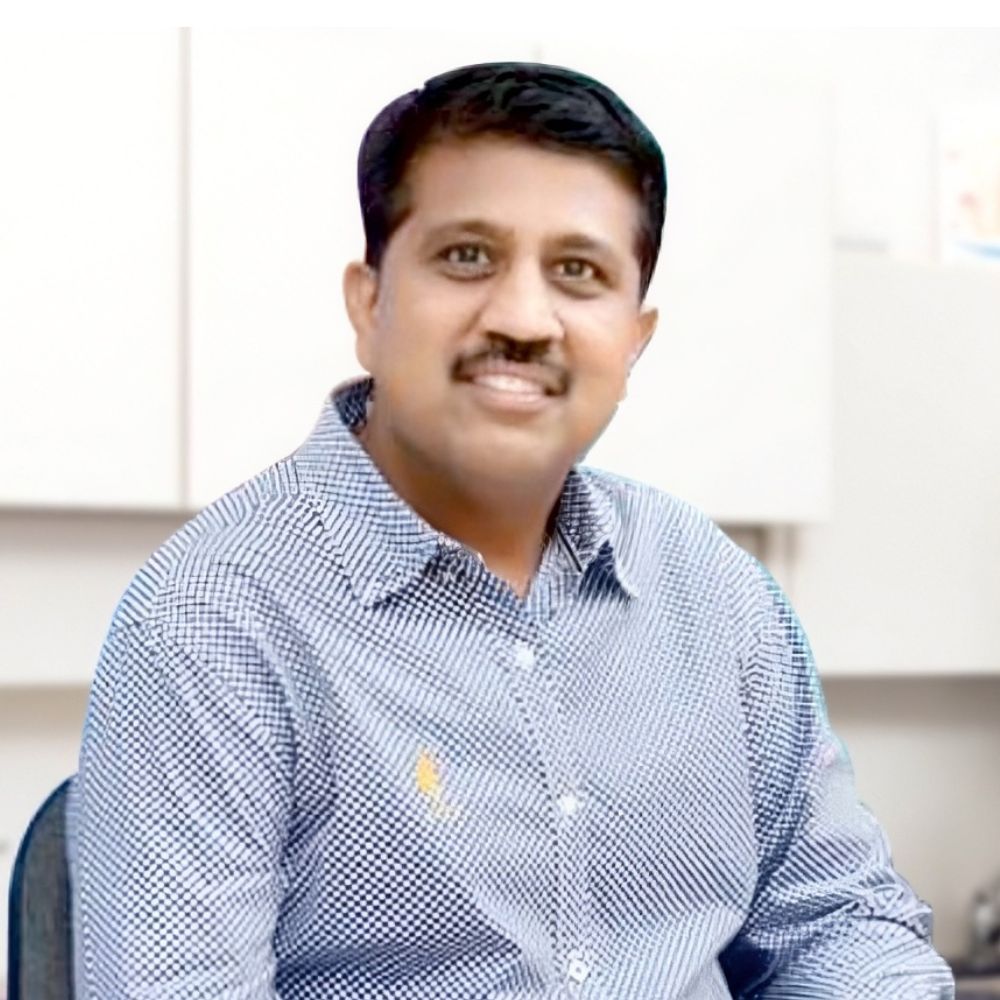
This is where consulting an expert makes all the difference. A skilled specialist like Dr. Nilesh Kakade evaluates the individual case and guides patients toward the best option, whether that’s exercises, lenses, or surgery.
Why Choose Omkar Eye Hospital, Pimpri Chinchwad?
For families in Pimpri Chinchwad and Pune, Omkar Eye Hospital has become a trusted place for squint care because:
- Dr. Nilesh Kakade’s expertise: With years of experience in treating squint and other eye conditions, he brings both technical skill and a patient-friendly approach.
- Holistic care for kids and adults: Squint treatments here aren’t just about surgery; they include exercises, therapies, and careful monitoring.
- Local trust: Many families in Chinchwad and nearby areas rely on Omkar Eye Hospital for their children’s vision care.
- Focus on patient comfort: From counseling to treatment, patients and parents are guided step by step so they feel confident about the journey.
FAQs
Q1. Can squinting in children correct itself naturally?
In very mild cases, parents may notice that the squint seems to reduce on its own as the child grows. However, most squints don’t completely go away without treatment. Early detection is important because untreated squint can affect the way the brain and eyes work together, leading to lazy eye or poor depth perception. A quick consultation with an eye specialist helps parents understand if their child needs glasses, exercises, or further care.
Q2. Is squint only a cosmetic issue?
While many people first notice squint because of the way it looks, it’s not just about appearance. Squint can affect vision quality, make it hard for the eyes to work together, and even cause double vision. Over time, it can reduce confidence in children and adults alike. Treating squint is therefore about improving both eye health and self-esteem, not just looks.
Q3. At what age can squint surgery be done?
Squint surgery can be performed in young children, sometimes as early as two to three years of age, if required. Early intervention often gives the best long-term results because it helps the eyes and brain develop normal vision. Adults who didn’t get treatment in childhood can also undergo squint surgery safely, and many notice a big boost in both vision and confidence afterwards.
Q4. Are non-surgical treatments effective for adults?
Yes, but it depends on the type of squint. Adults with squint linked to refractive errors often benefit from glasses or prism lenses, which can reduce strain and double vision. However, if the squint is more severe or long-standing, non-surgical methods may not be enough. In such cases, surgery is usually the best way to realign the eyes and restore comfortable vision.
Q5. How do I know which treatment is right for me or my child?
The right treatment depends on several factors: age, type of squint, severity, and overall eye health. Some cases respond well to non-surgical options like glasses and exercises, while others may need surgery. Only a thorough eye check-up can confirm this. Meeting an experienced eye specialist ensures you get a clear picture of the available options and can make the best decision with confidence.
A Clearer Tomorrow Starts Here
Whether it’s non-surgical methods like glasses and exercises or surgical correction for more advanced cases, squint treatment can truly change lives. Early detection is key, especially for children, because vision problems in the growing years can affect learning and confidence.
If you’re in Pimpri Chinchwad or Pune and wondering about the best treatment for yourself or your child, consulting an experienced eye doctor in chinchwad can give you the clarity you need. At Omkar Eye Hospital, Dr. Nilesh Kakade and his team are here to guide you every step of the way, helping you or your child look forward to a brighter, straighter, and clearer tomorrow.